
The Comic Book Industry Has Nearly Died Before. Some Artists Fear AI Will Kill It
Introduction: Evolution, Crisis, and Technology in Comics
The comic book industry—long a center of pop culture innovation—has experienced cycles of boom and near collapse throughout its history. Today, with the rapid rise of artificial intelligence (AI) tools capable of generating images, writing stories, and even producing entire comics, many artists are sounding the alarm. Is this an existential threat or a new era for creativity? The answer, as with many technological revolutions, is complicated. This article explores real concerns, transformative opportunities, and what the march of AI means for creators and fans.
A Brief History: Near-Death Experiences in the Comic Book Industry
It’s important to remember that the comic book industry has weathered near-fatal downturns before. Shifts in popular taste, competition from movies and TV, changes in distribution, and economic recessions have all threatened the livelihood of publishers and artists:
- Post-WWII Slump: After an initial boom, comics struggled with censorship and public suspicion.
- 1970s and 1990s Market Crashes: Overproduction and speculation led to periods of collapse, store closures, and layoffs.
- Digital Disruption: More recently, webcomics and digital distribution challenged the traditional print-based model.
Through it all, resilience and creativity have allowed the industry to survive and even thrive in new forms. But the rise of artificial intelligence is uniquely rapid and far-reaching compared to these past challenges.
The Rise of AI: A Double-Edged Sword for Comic Creators
Artificial intelligence is poised to revolutionize how comic books are created, produced, and consumed. According to a recent YouTube discussion among industry experts, AI advancements are not just coming—they are arriving “massively and soon.” The speaker notes:
- AI-generated videos—once crude and nightmarish—now appear remarkably lifelike after just a few years of progress.
- AI is viewed as the most revolutionary tool for artists since Photoshop, capable of streamlining or even automating processes that once demanded large creative teams.
- Artists have always embraced technology, from light tables to digital software, but AI promises to push those boundaries further—potentially erasing certain roles entirely.
The potential for cost-cutting and enhanced productivity is enormous. An artist could theoretically use AI to turn 3D models into fully-rendered comic pages with minimal manual work. In this sense, creators with some technical skill could craft entire comics independently, bypassing traditional “gatekeepers” of the industry. However, the risks and tradeoffs are just as striking. As the transcript highlights, “a lot of people are about to lose their jobs overnight.” Special effects artists, developers, CG animators, and other professionals may see roles vanish or shrink dramatically within just a few years.
Opportunities, Threats, and the Question of Authenticity
With change comes both opportunity and uncertainty. On one hand, AI can “bust down all the barriers,” democratizing access for independent creators and expanding what’s possible in storytelling and visuals. On the other, fears are justified:
- Job Displacement: Widespread use of AI could gut creative teams, eliminating positions in illustration, background art, and effects.
- Loss of Craft: Where do authenticity and artistry reside if content is generated, not crafted? As one creator fears, “it doesn’t really matter if you like AI or not … it’s here and it’s going to completely change the industry.”
- Impact on Meaning: Would comics, movies, and stories created by AI in “two seconds” have the same emotional impact or cultural meaning as those painstakingly written and illustrated by human hands?
- Limits of AI: While visual tools are advancing quickly, there is skepticism around writing and narrative artistry. “There’s passion, there’s an authenticity with passion … and I don’t think a machine can mimic that.”
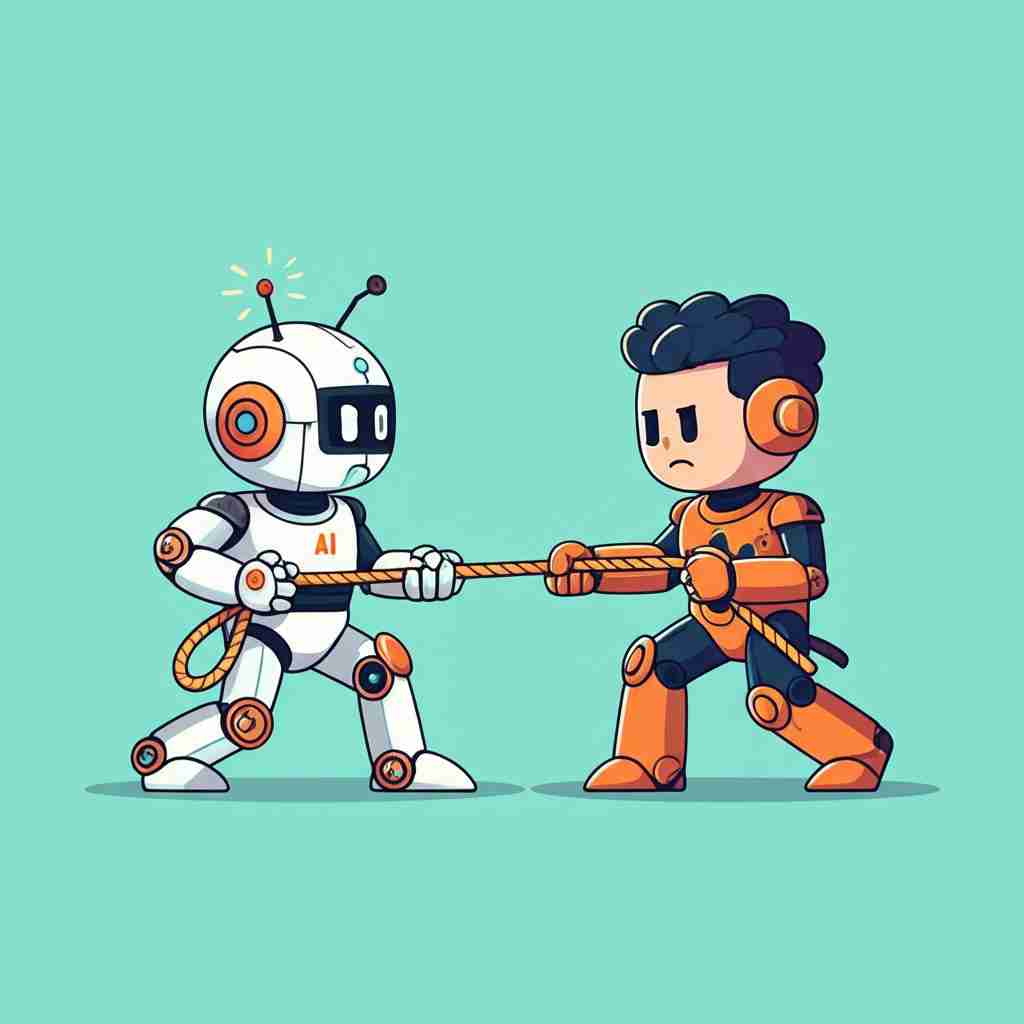
These questions of authenticity are central to the debate. If artificial intelligence can simulate style and structure, does it also capture soul and meaning? Many argue that human touch, experience, and inspiration will always set the best comics apart. Yet, others believe it’s only a matter of time before AI blurs those lines irreparably.
A study conducted at CNN underscores these industry-wide concerns. While the full abstract was unavailable, the research’s title, The comic book industry has nearly died before. Some artists fear AI will kill it, signals a recognition from major news outlets of the disruption AI is triggering for artists and publishers. The study surfaces anxieties surrounding job security and creative integrity, framing AI as both an echo of the industry’s past crises and a new kind of existential challenge for those who make comics. This authoritative coverage affirms that these issues are not just theoretical—they are urgent and being seriously debated by professionals and analysts alike.
Human Creativity vs. Machine Generation: Where Is the Line?
Despite AI’s momentum, the debate continues regarding what separates great comic books from mere content. The YouTube video makes clear distinctions between the application of AI in production and the deeper aspects of storytelling:
- AI is ready to transform technical tasks—such as world-building in CGI, inking, coloring, and basic illustration.
- Yet, when it comes to storytelling and writing, “it’s got to be a human.” Passion, emotion, and authenticity are perceived as uniquely human strengths, at least for the foreseeable future.
- Even with the best large language models, “we don’t know what consciousness is,” raising philosophical questions about whether machines could truly replace authors like Tolkien.
This skepticism is well-founded. While AI can analyze patterns, synthesize tropes, and mimic surface-level style, the question remains: Can it generate new cultural touchstones, inspire the same depth of feeling, or push the medium forward the way living creators have?
For now, the consensus remains that AI is an extraordinary tool—but not a replacement for the human impulse at the heart of great art. As the transcript notes, “if you get to the point where a machine is writing Tolkien then … guess that machine is more human than we are.”
Practical Takeaways: Navigating the Future for Creators and Fans
Whether you are a comic book creator, a publisher, or a reader, adapting to the rapidly changing landscape of AI in comics requires both caution and curiosity. Here are some practical strategies and reflections:
- Embrace AI as a Tool—Not a Replacement: Incorporate AI for routine and repetitive production tasks but double down on the unique human elements in creativity, storytelling, and emotional resonance.
- Stay Educated: Keep abreast of industry developments to understand where AI is making its greatest impacts and which creative roles remain insulated for now.
- Highlight Human Craft: Leverage authenticity as a selling point; readers and viewers still value the “real art” and stories-with-heart that machines struggle to replicate.
- Support Artists: As fans, support human-centered works by buying comics, following indie creators, and helping keep the spirit of the medium alive.
- Prepare For Change: Creative professionals should consider diversifying their skill sets and experimenting with AI—not as a threat, but as an opportunity for collaboration and innovation.
Ultimately, the comic book industry’s survival has always hinged on adaptability, community support, and a willingness to redefine itself in the face of adversity. AI is just the latest—albeit greatest—test of these qualities.
Conclusion: The Future of Comics Lies in Our Hands
The comic book industry has previously survived crises by embracing new tools, innovating styles, and enduring through the passion of its art and community. AI presents both a daunting and thrilling new chapter. While machines can generate pages and even mimic styles, the heart of comics—storytelling, emotion, and cultural commentary—remains stubbornly human. As we move forward, the choices we make about how to use these promising but powerful tools will define the next generation of comics. The future isn’t just being written by AI; it’s being drawn, lettered, and imagined by all of us.
About Us
At AI Automation Melbourne, we specialise in making advanced AI tools accessible and practical for businesses of all sizes. As highlighted in our exploration of AI’s impact on creative fields like comics, we understand both the potential and the challenges new technology brings. Just as comic artists navigate change with adaptability and creativity, we help local businesses embrace AI to streamline work while preserving their unique human touch.