
AI Music More Moving Than Human Tunes: Study
Introduction: The Digital Melody Revolution
Artificial intelligence (AI) is rapidly reinventing creative industries — and perhaps nowhere is its impact more debated than in music. In recent months, headlines have abounded with claims that AI-generated music is not just matching, but, in some ways, surpassing emotionally resonant qualities of human-created tunes. This conversation isn’t limited to tech circles; it’s igniting passionate debate among artists, music lovers, and the industry’s top producers. Drawing upon recent expert roundtables, community reactions, and a significant scientific study, this article delves deeply into the evolving place of AI music, the controversy it stirs, and what the future may hold for creators and listeners alike.
The Debate: AI Artists Take Center Stage
The emergence of AI-powered music artists and tools is met with a mix of enthusiasm, skepticism, and concern across the creative community. Recent social media uproar began when a celebrated producer, Timberland, announced plans for an AI entertainment company and introduced Tata, an AI-generated pop artist. This announcement triggered over 9,000 comments on Instagram alone — a testament to the topic’s cultural resonance.
- Excitement: Some creators see opportunity for collaboration and innovation, believing AI could open new doors for aspiring musicians and content makers.
- Skepticism: Others express unease, citing ethical concerns about creative ownership, the risk of devaluing human artistry, and potential job losses for traditional musicians.
- Regulation: Many demand clearer guidelines — especially around AI training data (i.e., is it fair to use existing artists’ work?), fair compensation, and transparency.
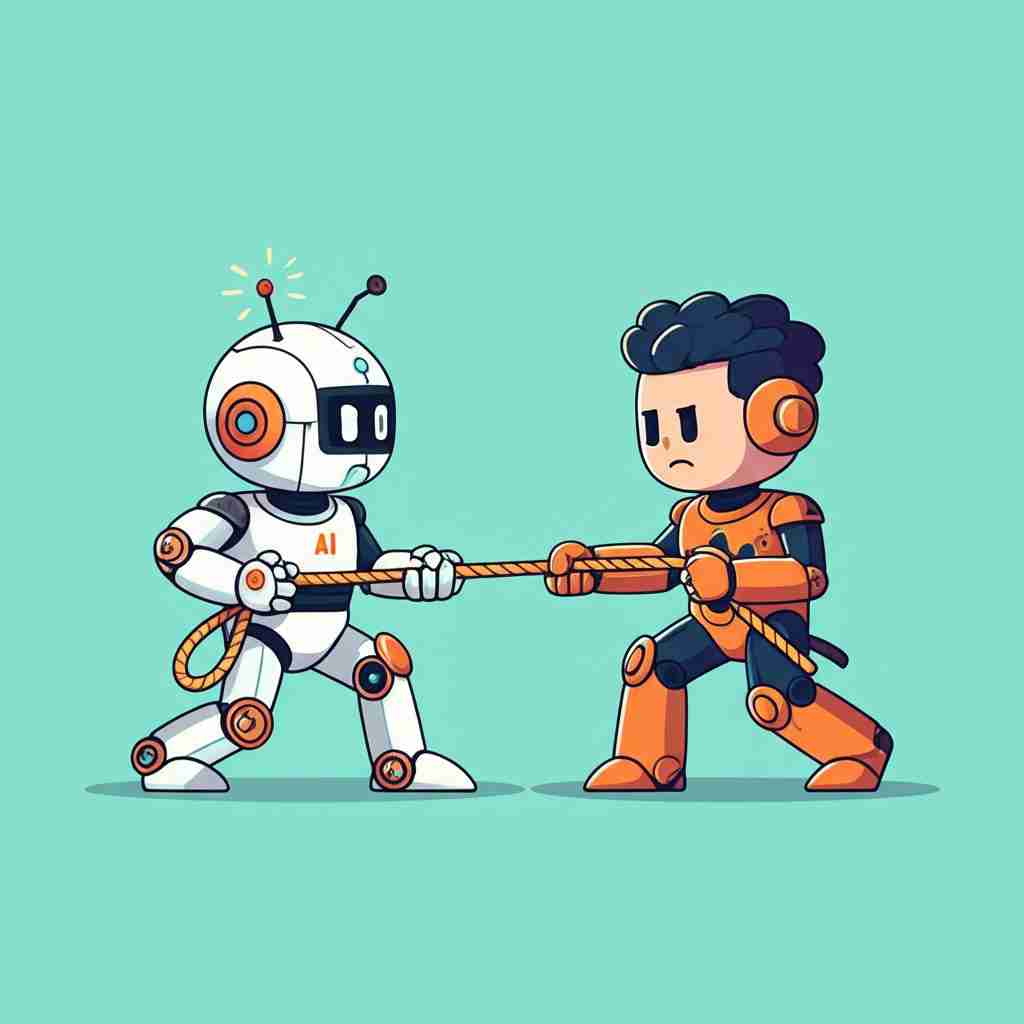
Commentators in live discussion forums, including music producers and artists, highlight underlying questions: Is AI-generated music mere imitation? Can it express genuine emotion? Will audiences tire of algorithmic sounds in favor of irreplaceable human performances? Even those excited about AI innovation often caution that the monetization and regulation of such technology remain crucial points of contention.
The Science: What Does Research Say About AI Music’s Impact?
While social debate continues, scientific evidence is beginning to emerge about AI’s capability to move listeners emotionally. A study published on Mirage News found that AI-generated music can, in some settings, evoke stronger emotional responses than tracks composed solely by humans. This research, which compared listener reactions to AI and human-created songs, suggests that the best AI music isn’t just perfectly sequenced — it can generate nuanced feelings, mimic human style, and even outshine conventional compositions in affecting listeners’ moods. These results challenge the assumption that authentic feeling in music is the exclusive domain of human creators, and they support claims that AI is not only a viable creative tool, but a formidable artistic force in its own right.
Human vs. Machine: Context, Creativity, and Critique
Discussions among industry leaders illuminate the nuances of integrating AI in music:
- AI as a Tool, Not a Total Replacement: Top producers assert that AI, when used responsibly, is best viewed as a new instrument—helpful for inspiration, speeding up workflows, and amplifying creative vision, not supplanting human input. AI can sample, remix, and propose beats, but the artist’s taste, intent, and emotional intelligence remain irreplaceable components.
- Learning from the Past: Historically, arguments over new technologies—from the rise of synthesized music to digital recording tools—mirror today’s debates. Each wave sparked fears of “authenticity loss,” but ultimately enabled new genres and wider participation.
- Preserving Human Expression: Some artists voice their frustration that after decades of mastering instruments and refining technique, AI’s ability to automate creative output diminishes the perceived value of deeply honed human skills. Yet others counter that mastering prompts for AI and leveraging machines is merely the new frontier of musicianship, much like learning a new instrument in a previous era.
- Regulation and Credit: Panelists and commentators urgently call for regulation to ensure fair compensation and credit, particularly if AI systems are trained on tracks from existing musicians. The consensus: technology itself is not inherently good or bad — but society must proactively shape how it’s used in creative industries.
Notably, the human community continues to crave live, unfiltered artistry. Despite AI’s prowess, in-person concerts and analog experiences are likely to gain further value as digital music becomes more ubiquitous. The irreplaceable “spark” of live performance and the human story behind musicianship will remain the gold standard for many fans, even as AI-generated songs dominate playlists and media streams.
Practical Takeaways for Artists, Listeners, and Industry Leaders
How should musicians, producers, and audiences navigate this unprecedented era?
- Embrace AI as a Creative Assistant: For content creators and musicians, consider AI music generators (like Sunno and 11 Labs) as collaborative partners rather than adversaries. These tools can help prototype ideas, diversify styles, or complete projects faster, especially in settings where cost or time is a constraint.
- Invest in Transparency and Consent: Musicians should advocate for systems that clearly label AI-generated music and allow artists to opt out of AI data training. Regulation should ensure artists are compensated when their unique style or catalog is used to create new works.
- Keep Evolving Your Skillset: As technology advances, mastery in both traditional artistry and digital prompt engineering is becoming invaluable. Combining classical expertise with AI-literate creativity will future-proof your contributions.
- Value Live and Original Experiences: For listeners, seeking out live shows, exclusive physical releases, and performances that showcase irreplaceable human talent will gain even more cultural significance in a world of digital replication.
- Prioritize Education and Open Dialogue: AI companies and creative communities must invest in clear, accessible education around new tools. Honest conversations—like those sparked by Timberland’s controversial announcement—help forge fair, inclusive pathways forward.
Conclusion: The Future of Moving Music in a Hybrid World
Artificial intelligence is altering not just how music is produced, but how it is felt, shared, and valued. As research now demonstrates, AI-generated tunes can indeed stir emotions as powerfully—or even more so—than some human-made tracks. The critical challenge ahead lies in balancing technological opportunity with ethical stewardship — upholding artistic dignity, ensuring appropriate credit, and preserving human expression even as new forms take shape.
For industry leaders, creators, and curious listeners alike, the best path is a pragmatic blend: leveraging AI as a tool for amplification and experimentation while fiercely protecting the irreplaceable elements of human creativity. As the beat goes on, open dialogue, adaptability, and principled regulation will determine whether this new music era is truly harmonious for all.
About Us
AI Automation Melbourne empowers businesses to harness the creative and practical potential of artificial intelligence. Just as AI is transforming music, our affordable, tailored solutions make cutting-edge automation accessible to any industry. We help you embrace innovation safely and effectively—streamlining workflows so you can focus on what makes your business uniquely human.