
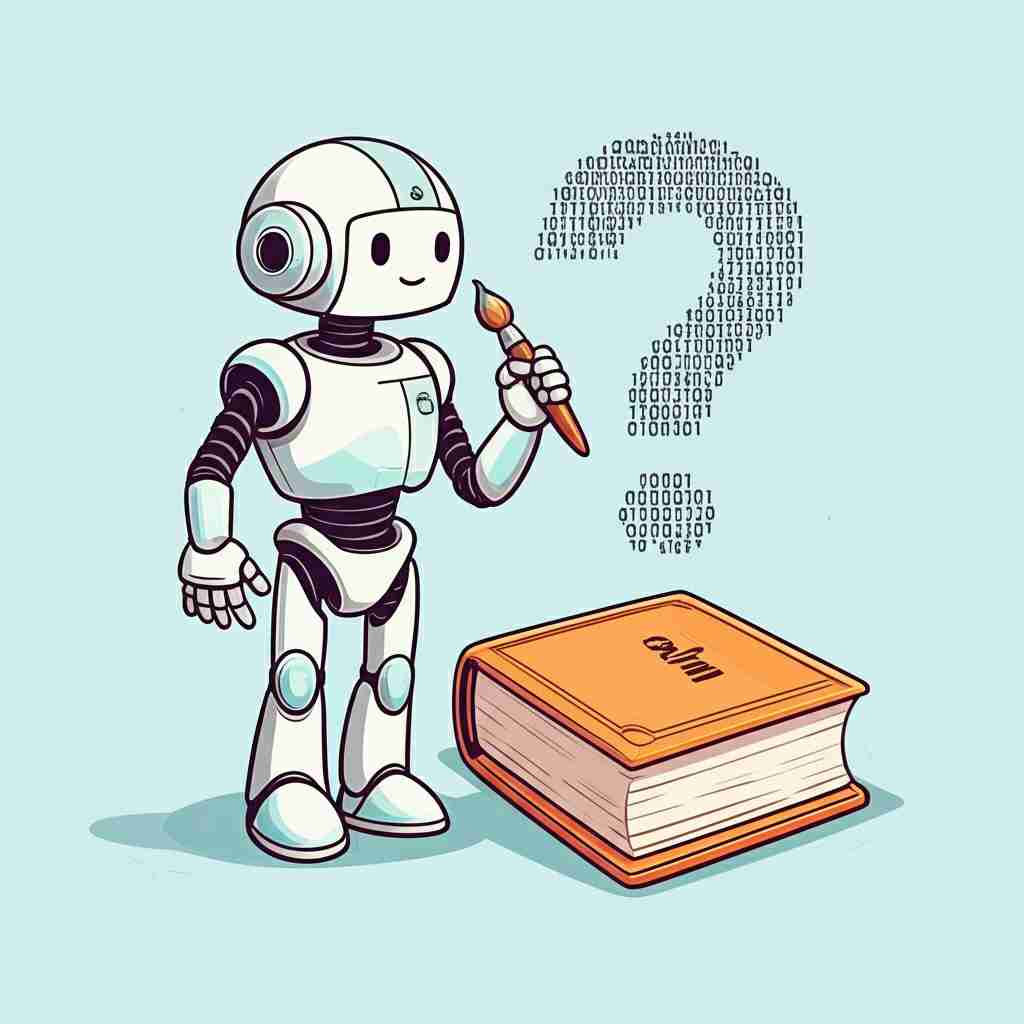
AI and Copyright: Is There a Need to Balance the Rights of Authors with the Need to Train AI?
Introduction: The Unfolding Dilemma of AI and Copyright
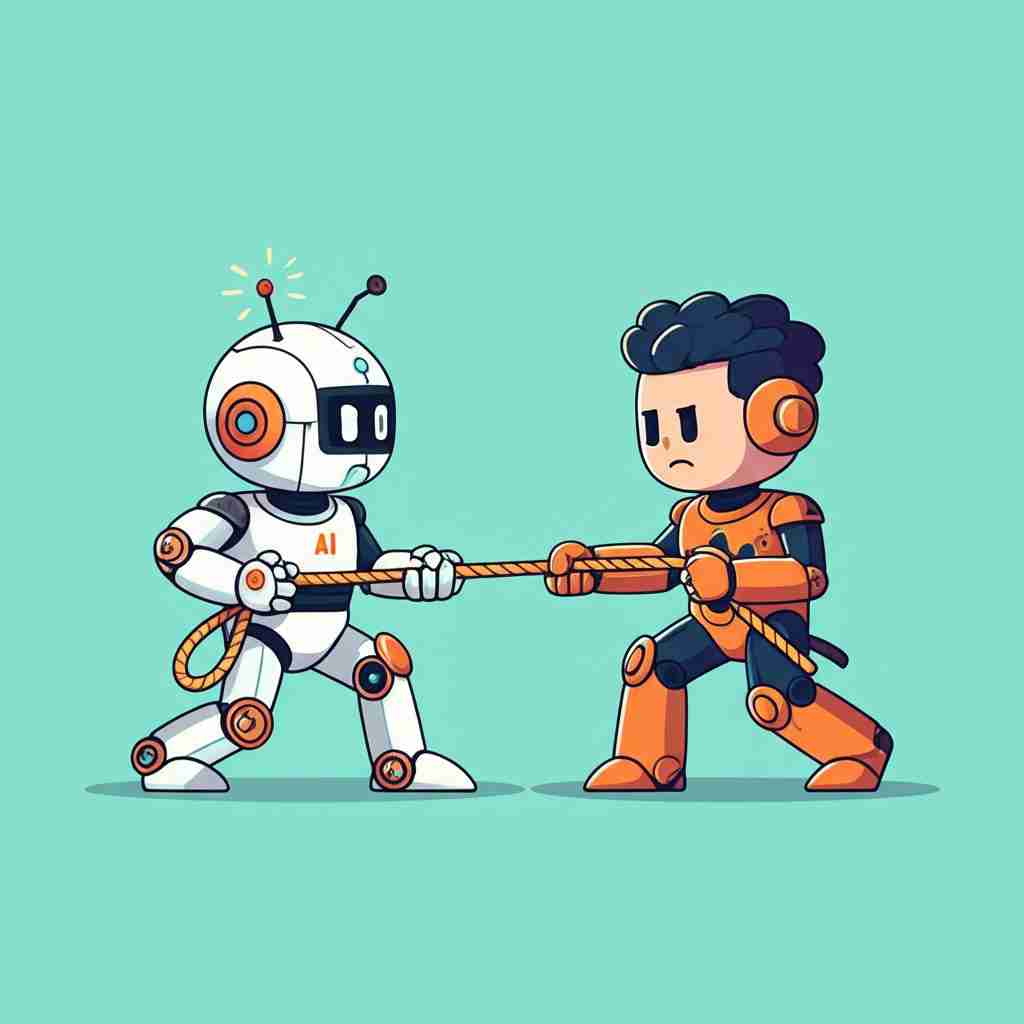
Artificial Intelligence (AI) is revolutionizing creative industries, opening new avenues for artists, musicians, writers, and content creators. However, as AI becomes an integral part of the creative process, it also challenges established norms around copyright and intellectual property. One of the most pressing issues: does the rise in AI-generated works necessitate a balance between the rights of original authors and the functional need to train AI systems on existing copyrighted material? This blog post examines this emerging conflict, drawing on recent real-world examples and expert research, to explore practical solutions and future outcomes.
The Current State of AI-Generated Content and Copyright Law
The boundaries of copyright are rapidly being tested by AI-generated content. Historically, copyright law has worked on a few basic principles: once you create an original work—such as a piece of music, a story, or an artwork—you own the copyright, provided it demonstrates originality in melody, lyrics, structure, or other defining features.
- Substantial Similarity: If an average person finds two works strikingly similar, a copyright dispute may arise.
- Access: If the alleged infringer had access to the original work and created something similar, it increases the chances of finding infringement.
However, the introduction of AI complicates matters. AI models are typically trained on enormous datasets that often contain copyrighted material. The result? AI can generate content—music, images, even text—that closely mimics or reproduces elements of human-authored works, blurring the line between original and derivative creation.
How Copyright Claims Are Being Manipulated in the AI Era
Many platforms, including those like YouTube, use systems such as Content ID to protect rights holders. These systems were designed to benefit creators by fingerprinting their content and tracking it across the web. However, the ease with which anyone can upload AI-generated content and submit it to such databases creates opportunities for abuse. Real-world experiments demonstrate just how easily this can be done:
- Generate AI-created content using free or paid platforms.
- Distribute it via services that feed into Content ID or similar systems, sometimes requiring only a simple checkbox declaration that circumvents meaningful review.
- File copyright claims against others (even for accidental similarities) and receive monetization revenue while disputes are unresolved.
This loophole creates a risky environment for both professional and amateur creators. For example, one musician generated AI tracks that sounded like their own original work, uploaded them, and then received copyright claims against themselves—all within minutes and for under $30. Such lax enforcement and ambiguous copyright rules risk turning the system into a “copyright claiming grift” open to exploitation.
The Legal and Ethical Challenges of Training AI on Copyrighted Material
Perhaps the most controversial aspect of the AI copyright debate is the origin of data used in model training. AI platforms have, at times, openly admitted to scraping music, text, or artwork from the public internet, regardless of copyright status. This exposes a trio of unresolved issues:
- Lack of Transparency: Few AI tools disclose the composition or sources of their training datasets, making it difficult for rights holders to know if their work was used.
- Consent and Compensation: There is rarely a mechanism for obtaining permission from, or compensating, original creators whose work may have directly influenced AI outputs.
- Legal Ambiguity: Regulatory bodies (such as the US Copyright Office) have ruled that AI-generated works are not copyrightable unless there is “sufficient human authorship”—a threshold that remains vague and largely untested in the courts.
Various legal complaints are already surfacing, with organizations like the Recording Industry Association of America (RIAA) alleging that major AI platforms were trained on artists’ music without consent. The technology’s ability to closely simulate specific artistic styles further clouds the debate, especially as more platforms enable users to generate music, art, or text “in the style of” famous creators.
Research published in LSJ has critically examined the intersection of AI and copyright, highlighting the increasing scrutiny on how AI models are trained. The study underscores the urgent question of balancing original creators’ rights against the societal and technological benefits of AI innovation. It calls for modernized copyright laws and transparent training practices to fairly protect creators while enabling responsible AI development.
Risks and Implications for Creators and Audiences
The unchecked use of AI-generated works in copyright systems presents real and immediate risks:
- False copyright claims: Creators who use AI-generated background music or whose original work simply resembles an AI-created track may find themselves facing spurious claims, possibly losing monetization or even their accounts.
- Market manipulation: Individuals can mass-produce AI-generated “slop” and use copyright mechanisms to siphon revenue from actual creators.
- Barriers for new creators: Smaller artists or video creators may lack resources to contest wrongful claims or engage in protracted legal battles.
- Uncertain protection: Even legitimate, human-made art is susceptible to unintended infringement claims if it resembles generic AI outputs—damaging livelihoods and chilling creativity.
- International complications: Varied copyright laws mean that what is permissible in one country may be illegal in another, leading to further confusion for global creators.
The central dilemma remains: While AI holds immense potential for augmenting human creativity, current copyright frameworks—and content moderation mechanisms—are not equipped to address the rapid, borderless evolution of “authorship” in the digital age.
Finding Balance: Practical Takeaways and the Path Forward
Addressing the tension between the rights of authors and the need to train AI requires coordinated legal, technological, and community action. While systemic reforms will take time, individual creators and platform users can adopt strategies to protect themselves and advocate for fairer practices:
- Understand your rights: Familiarize yourself with the basics of copyright as it applies to human and AI-generated works. When in doubt, avoid using AI-generated material unless you are certain of its provenance and legal status.
- Maintain documentation: Keep detailed records of your creative process to establish human authorship should disputes arise.
- Advocate for transparency: Support initiatives and platforms that clearly disclose their AI training data sources and offer opt-in or opt-out mechanisms for original creators.
- Lend your voice: Participate in policy discussions or industry groups pushing for copyright law modernization and responsible AI use.
- Stay informed: Follow ongoing legal precedents and adapt your creative practice as new case law and regulations emerge.
For the industry and regulators, it’s increasingly clear that:
- Transparent AI training practices — possibly with compensation or credit for artists whose works are used — are necessary.
- Copyright enforcement mechanisms must evolve to distinguish between human and AI authorship, reducing opportunities for bad-faith abuse.
- Increased education around AI and copyright can empower creators to protect themselves and their work.
Conclusion: Charting a Future Where Human Creativity and AI Coexist
The clash between copyright law and AI-generated content is creating a “wild west” where both opportunity and risk abound. As more creators—knowingly or not—interact with AI-powered tools, the need for balanced, clear-sighted policy reform grows ever more urgent. Both content creators and AI developers must share responsibility in advocating for rules and best practices that promote innovation while protecting genuine creativity.
Ultimately, neither technological progress nor the integrity of artistic authorship should be mutually exclusive. The coming years will require vigilance, collaboration, and legal clarity to ensure a fair digital ecosystem where everyone—regardless of whether they are human or machine—knows where they stand.
Further reading: For a deeper dive into the legal foundations and future pathways, see AI and copyright: is there a need to balance the rights of authors with the need to train AI?
About Us
At AI Automation Melbourne, we help businesses navigate the evolving landscape of AI technology responsibly. As AI transforms creative and operational processes, our team ensures you stay informed and protected—from automation solutions to understanding the latest implications of AI and copyright. We believe in harnessing innovation while upholding the rights of creators, supporting both growth and integrity in a fast-changing digital world.