
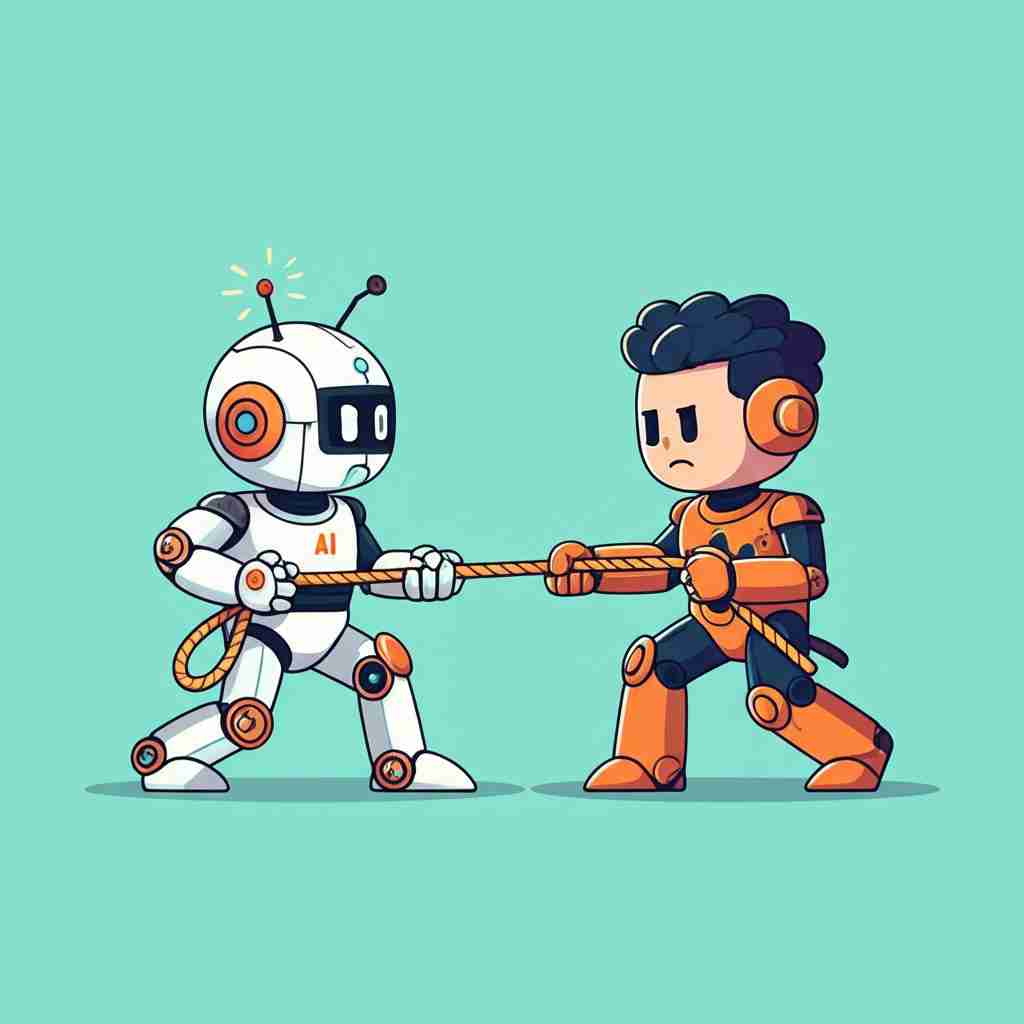
Hollywood’s Fight Against Alleged AI Copyright Infringement Has Only Just Begun
Introduction: Hollywood Faces the AI Copyright Crossroads
The rise of artificial intelligence has sent shockwaves through the creative industries. With the launch of advanced AI image and video generators, Hollywood now finds itself at the epicenter of a legal and ethical storm. Major studios such as Disney and Universal are leading the charge, filing lawsuits against AI companies over alleged copyright infringement. But as generative AI technologies continue to democratize creative content, this legal battle is shaping up to be only the opening salvo in a much larger war. What follows is a deep dive into the issues, stakes, and uncertain future that Hollywood faces as it grapples with AI’s growing capabilities.
AI Image Generators and Hollywood’s Legal Offensive
It was perhaps inevitable that Hollywood would move to defend its intellectual property as AI technology made it possible for anyone to generate thousands of images—sometimes direct copies or close imitations of iconic characters—at the click of a button. In recent legal developments:
- Disney and Universal filed lawsuits against MidJourney, a prominent AI image generator, alleging massive and ongoing copyright infringement.
- The AI tool was accused of producing imagery depicting characters highly similar to Mickey Mouse, Batman, Deadpool, and Minions—prompted by user requests and sometimes indistinguishable to the average viewer.
- Video generation, too, is advancing rapidly. The viral “Greg the Stormtrooper” series showcases Star Wars-era stories, produced entirely with AI to a surprising level of polish.
Hollywood’s legal argument is grounded in the belief that these AI outputs, when they clearly resemble protected works, constitute infringement—even as the line blurs between homage, parody, and plagiarism. However, proving this in court is far from simple.
The Complexities of AI Copyright Law
At the heart of Hollywood’s challenge is a profound legal question: Can works created by artificial intelligence be subject to copyright in the first place? If an AI-generated image or video cannot be copyrighted (lacking a human creator), can it infringe on someone else’s copyright?
- Current legal frameworks are struggling to keep pace with technology. Ongoing cases are examining whether AI outputs can qualify as “art” or original “creation” worthy of protection.
- There are thorny questions about responsibility: Should legal action target the company that built the AI, the individual user who typed in the prompt, or both?
- MidJourney, for its part, has substantial resources—reportedly over $200 million in 2023 revenue—to defend itself, suggesting drawn-out litigation is likely.
This uncertainty has led to a “Wild West” state for AI-generated creative content. As one commentator put it, it may ultimately be “better for all of us if AI-generated art cannot be copyrighted,” forcing human-made art to stand apart and allowing AI to democratize entertainment by lowering barriers for creators.
Industry Perspectives: Threat or Opportunity?
AI has rapidly expanded the tools available to creators and fans alike, enabling projects once unimaginable for individuals or small teams. Consider the following implications:
- Accessibility: Cost barriers are vanishing. Whereas major studios might spend hundreds of millions on a new superhero film, fans can now generate videos or images with a few dollars and a compelling idea.
- Competition and Innovation: The technology forces traditional media powerhouses to innovate or risk being outpaced by passionate fan communities producing comparable (if not better) content in a fraction of the time and cost.
- Control vs. Creativity: Studios may ultimately opt to create “official” AIs, requiring licensing for DC, Marvel, or Disney-related works—rather than attempting to police or shut down the proliferation of creative outputs completely.
- Unstoppable Advance: With open-source AI models growing ever more powerful, it may soon be impossible to contain content creation. The central question shifts from “if” AI will transform entertainment to “how controlled and how slow” that transformation will be.
A study conducted at The Los Angeles Times confirms that Hollywood’s confrontation with the AI industry was “only a matter of time.” The study details how major studios are ramping up efforts to challenge the artificial intelligence sector over alleged intellectual property abuses—underscoring the scale and urgency driving current lawsuits. The findings reinforce that this is not a short-lived trend but the beginning of an extended, high-stakes battle for the future of creative ownership in entertainment.
Practical Takeaways: What’s Next for Hollywood, AI, and Creators?
This emerging conflict has wide-reaching implications for artists, fans, technology companies, and the public. Here’s what to watch for as the situation unfolds:
- Expect protracted litigation. With well-funded companies and unresolved legal questions, Hollywood’s lawsuits against AI firms will likely drag on for years, shaping new precedents.
- Monitor copyright law reforms. Policymakers will be under pressure to update legal definitions of art, creativity, and ownership in light of AI’s transformative potential.
- Prepare for hybrid solutions. Studios may move toward licensing and co-creation models, allowing controlled use of their intellectual property in AI environments rather than attempting total prohibition.
- Creators, stay informed. If you use AI tools, understand the risks and responsibilities, especially regarding derivative works of copyrighted material.
- Embrace democratization—but responsibly. AI has the potential to level the playing field, giving rise to a renaissance of fan-driven and independent works. The key will be fostering innovation without undermining the rights and livelihoods of original creators.
Conclusion: A New Era for Creative Expression
Hollywood’s battle against alleged AI copyright infringement marks the beginning of a new era—one where the old ground rules no longer apply, and the future is up for grabs. Lawsuits from powerful studios signal a growing recognition that generative AI is not just a technological novelty but a cultural and economic force capable of reshaping entertainment. Whether AI becomes the great democratizer of art or falls under tight industry control, one thing is certain: the fight has only just begun, and its outcome will define the next chapter of creative expression for all.
About Us
At AI Automation Melbourne, we help businesses harness the latest AI advancements responsibly and efficiently. As AI transforms creative and professional industries—including image and content generation—we guide our clients through the evolving landscape of automation, intellectual property, and ethical use. Our tailored solutions empower you to stay informed and innovative while respecting the evolving standards shaping today’s AI-driven world.