
TRANSCRIPT: Dark Side of AI – How Hackers use AI & Deepfakes: Mark T. Hofmann
Introduction: AI’s Double-Edged Sword
Artificial Intelligence (AI) is likened to a knife—it can be used to create wonders or cause harm, depending on who wields it. In his compelling talk, Mark T. Hofmann, a renowned crime analyst and business psychologist, unveils the unsettling reality of how hackers use AI and deepfakes for cybercrime. As AI technology becomes more sophisticated, its adoption in the underworld is resulting in new forms of threats and deception. This blog post explores the dark side of AI, delving into cybercriminal tactics, the risks of deepfakes, psychological manipulation, and crucial defensive strategies based on insights from Hofmann’s presentation and a detailed transcript.
The Rise of AI-Driven Cybercrime
Cybercrime is a booming underground industry, not merely the action of teenagers in hoodies hacking computers. According to Hofmann’s analysis, cybercrime is projected to cost the global economy over $10 trillion annually by next year—a figure that would make cybercrime the third-largest economy globally, just behind the US and China.
- Ransomware: Malicious software encrypts files, locks companies out of their data, and demands Bitcoin ransoms.
- Customer Support for Crime: Some ransomware groups even offer live chat and technical support to help victims pay ransoms.
- Affiliate Programs: Aspiring criminals can use “ransomware-as-a-service” models, paying commissions to syndicates.
AI amplifies these crimes by lowering the technical barrier. AI-powered tools can automate the creation of malware and phishing emails, once tasks requiring significant coding skill. Today, nearly anyone with motivation and a laptop can participate in these illicit activities. As AI continues to automate and scale, the scope and severity of cyberattacks are set to grow.
How Hackers Manipulate AI and Deepfakes
Hofmann categorizes malicious AI use into four escalating “levels of darkness”:
- Reverse Psychology on AI Models: Hackers use clever prompts to trick chatbots like ChatGPT into revealing restricted or sensitive information, such as malware code, by framing requests innocuously.
- Jailbreak Prompts: Extended, sophisticated prompts—sometimes pages long—are crafted to bypass AI safety mechanisms. One such example, “DAN” (Do Anything Now), coaxes AI to ignore its own rules.
- Custom Criminal AI Models: Hackers are building their own language models specifically trained for malicious tasks: generating undetectable malware, writing flawless phishing emails, and even supporting multilingual attacks.
- Autonomous Attack Chains (Future Threat): Hypothetically, criminals could fully automate attacks—from building target lists to deploying malware—entirely via AI with minimal human intervention.
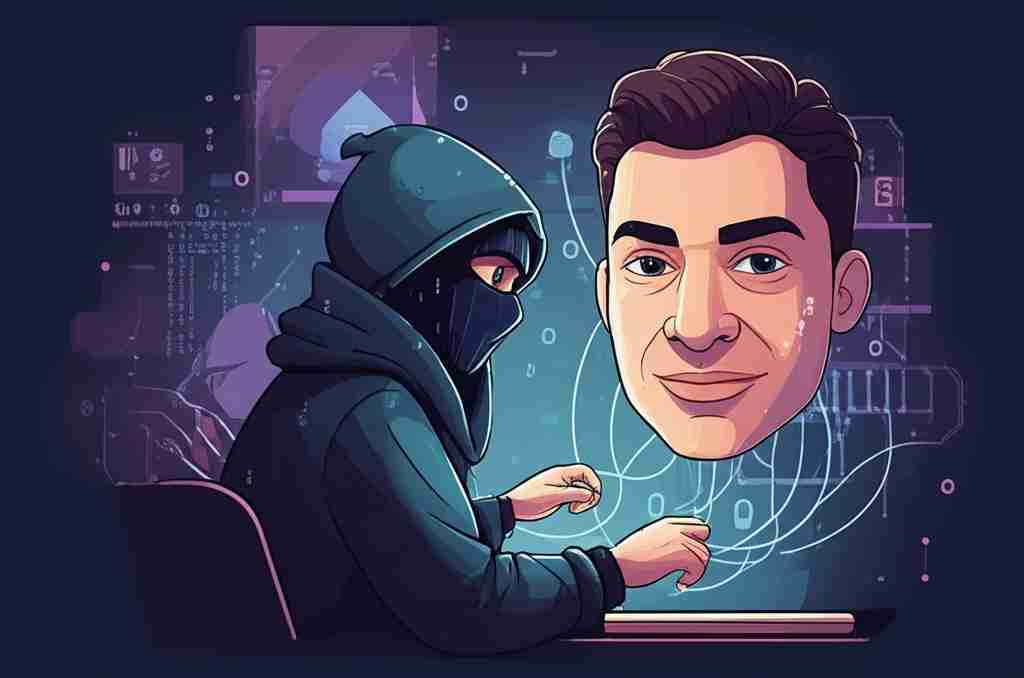
Meanwhile, deepfake technology has matured, enabling cybercriminals to forge convincing audio and video imitations of anyone, from CEOs to political leaders. It now takes just a single high-quality photo to create a fake video, and as little as 15-30 seconds of audio to clone a voice convincingly.
- Political Manipulation: Deepfake videos have been used to fabricate statements by public figures, such as Ukraine’s President Zelenskyy allegedly “moving for surrender.”
- Corporate Fraud: Voice-cloned deepfake scams have triggered fraudulent bank transfers worth tens of millions of dollars.
- Reputational Attacks & Market Manipulation: Faked videos can depict company executives admitting to crimes, triggering stock crashes or damaging reputations.
The Psychology of Cybercrime & Human Error
Despite the technological marvels, the most persistent vulnerability remains: human psychology. As Hofmann emphasizes, most cybercrimes continue to succeed due to some form of human error. People click suspicious links, open questionable email attachments, connect to insecure networks, or trust unverifiable identities on the phone or online.
- Phishing Evolves: AI-generated phishing emails are becoming more targeted, grammatically correct, and convincing, undermining old advice to “spot typos” as warning signs.
- Social Engineering Scams: Deepfake voices and videos are used to impersonate bosses or loved ones, pressuring victims into urgent, emotional decisions like wire transfers or divulging sensitive information.
- Voice and Video Cloning Attacks: A single WhatsApp voice message or brief online appearance is now sufficient to clone one’s likeness for sophisticated scams.
To put this in perspective, many attacks hinge on these key elements:
- Time Pressure (“Act now!”)
- Emotional Manipulation (“I’m in trouble, please help!”)
- Exception Requests (“Ignore protocol this one time”)
Study Reveals Alarming Deepfake and AI Abuse Trends
A study conducted using the transcript of Mark T. Hofmann’s own presentation—available at TRANSCRIPT: Dark Side of AI – How Hackers use AI & Deepfakes—delves deeply into the methods and societal impact of AI-enabled cybercrime. The research highlights several key findings:
- Accessibility of AI criminal tools is rapidly increasing.
- Deepfakes are a growing vector for fraud, disinformation, and psychological manipulation, often requiring minimal audio or visual input to generate convincing forgeries.
- Traditional security approaches are lagging behind attackers’ use of AI and social engineering.
The study underscores the urgent need for both institutional vigilance and individual awareness as AI and deepfakes continue to reshape the landscape of cyber threats. Read the full study here.
Defending Against AI-Powered Threats: Practical Advice
With cyberthreats evolving, here’s how individuals and organizations can build robust “human firewalls”:
- Verify, Don’t Trust: Whether you receive a suspicious call, email, or message—even from a trusted voice or video—verify through a separate, known communication channel.
- Establish Secret Passwords or Security Questions: Within families and businesses, agree on unique words or questions only you and your trusted circle know.
- Educate & Raise Awareness: Communicate with both staff and loved ones about the reality of deepfakes and AI-based scams, especially for seniors and non-technical individuals.
- Pause and Reflect: Always take a moment to consider whether you are being manipulated through urgency or emotion.
- Stay Skeptical of Digital Content: Photos, videos, and voices can be faked. Treat unsolicited requests for sensitive actions—money transfers, data access, etc.—with healthy skepticism.
- Tech Hygiene: Use strong, unique passwords; enable multi-factor authentication; keep your devices updated; and avoid connecting to untrusted Wi-Fi networks without a VPN.
For organizations, it’s vital to move beyond security discussions among IT experts—real security requires engaging every employee through relatable, practical, and even entertaining training, as Hofmann emphasizes. Only by making security awareness personal and accessible can we reduce human error, which remains attackers’ favorite door.
Conclusion: Harnessing AI Responsibly
AI represents one of humanity’s greatest opportunities—but also one of its gravest risks if left unchecked in criminal hands. As the boundary between truth and fiction blurs with deepfakes and AI-powered attacks, maintaining both technological defenses and a healthy human skepticism is vital. Staying informed, vigilant, and proactive is the best way to enjoy the benefits of AI while guarding against its misuse. Remember: the biggest AI risk isn’t the machine itself, but the human errors that allow exploits to succeed. Let’s make cybersecurity great again—by making it about people, not just machines.
About Us
At AI Automation Melbourne, we empower businesses to harness AI responsibly and securely. As explored in this article, the rise of AI and deepfakes brings both exciting opportunities and new risks. Our expert team helps you adopt smart automation tools safely—enhancing efficiency while staying vigilant against cyber threats. We’re committed to making AI accessible, effective, and trusted for your daily operations.